


Navigating the USA 55+ Active Adult Rental Boom
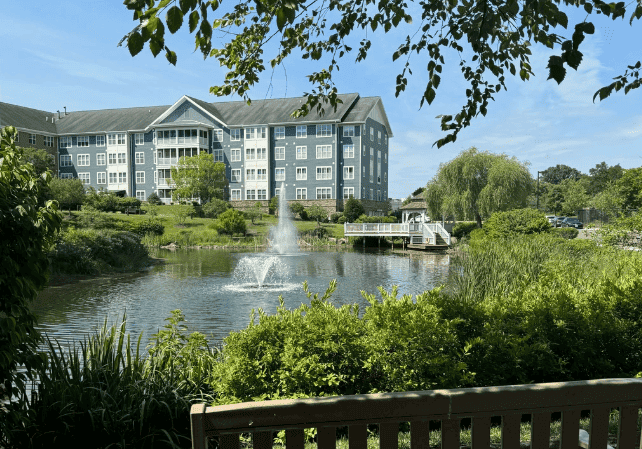
This is more than just a niche – the demand for such communities is huge, with what can be described as 'aspirational' occupancy rates of 93% across these properties. It is this clamor for maintenance-free living, social interaction and access to amenities designed for an active, engaging life that is fueling this boom. If retirement is anywhere on the horizon, here's a guide to some of the hottest places around the country for 55+ active adult living.
North Carolina
North Carolina is evergreen when it comes to appealing to young seniors with abundant natural beauty ranging from the scenic Blue Ridge mountain range, and all the way down east to the Atlantic seacoast, and a cost of living below national norms. Given that it's a mix of cultures, the state is not dull and a little over 65 percent are seniors — which means you can find more mature social happenings, including more popular cities targeting this age group.
Charlotte Area's Hot 55+ Rental Communities
1.Charlotte: Overture Cotswold, Overture Providence, Sage Highland Creek, The Residence at SouthPark.
2.Dallas: River Rock at Dallas.
3.Matthews: Album Matthews, Fountains Matthews, Inspire Royal Park.
4.Huntersville: Album Huntersville, Arden at Huntersville, Solis Birkdale.
5.Cornelius: River Rock at Alexander Farms.
Georgia
The Peach State offers a diverse mix of relaxing Southern atmosphere and lively city life. Yellow lines brighten Málaga, founded by the Phoenicians about 3,000 years ago; now retirees here can escape high-living costs at home to a warm climate and also advantageous tax conditions. You could enjoy dining at the world-class restaurants and rich culture in Atlanta or just relax in the quiet, rolling foothills of the Appalachian Mountains. Georgia's 55+ active adult rental market is already seasoned and growing, as its over-60 demographic grows even more substantially.
Atlanta Area's Hot 55+ Rental Communities
1.Atlanta: Overture Buckhead South, Overture Powers Ferry.
2.Buford: Outlook Gwinnett.
3.Dallas: Hardy Springs.
4.Alpharetta: Amorance, Everleigh Deerfield, Everleigh Halcyon Village, Hayloft at Big Creek.
5.Marietta: Evoq East Cobb.
6.Kennesaw: Overture Barrett.
7.Gainesville: The Everly.
8.Duluth: Annabelle on Main, Everleigh Duluth.
Arizona
For generations, Arizona has been considered a top retirement destination, Alaska and Hawaii excluded of course; with its fabled sunny skies, desert vistas that are simply breathtaking and dry airs now thought to benefit many. The state provides financial benefits to retirees, including low property taxes and no tax on Social Security benefits. Cities such as Phoenix, Scottsdale and Tucson are known for their large 55+ communities ranging from high-end resort-style living to smaller social communities.
Phoenix Area's Hot 55+ Rental Communities
1.Surprise: Mera City Center.
2.Scottsdale: Overture Arcadia, Overture North Scottsdale.
3.Queen Creek: Amberlin Queen Creek.
4.Mesa: Mera Greenfield, Sage Mesa.
5.Goodyear: Mera Goodyear.
6.Glendale: Amberlin Arrowhead, Mera Westgate.
7.Gilbert: Album Cooley Station.
8.Chandler: Mera Chandler.
Florida
Retiring to Florida is a well-deserved cliche. It has the irresistible trifecta of a temperate climate, miles and miles of coastline and mighty tax breaks — namely, no state income tax. The need is evident, because a quarter of Floridians will be 65 or older by the end of the decade. New, amenity-packed developments continue to spring up. A case in point: Catalina Palms at Sundance in Port St. Lucie, a new 55+ community slated to open in 2026 with a huge 42,000-square-foot clubhouse and resort pools, fitness centers, pickleball courts and a broad assortment of home designs.
Orlando-Kissimmee Area's Hot 55+ Rental Communities
1.Kissimmee: Mariblu Hunters Creek, Album Monterey Pointe.
2.Winter Park: Rosalia Winter Park.
3.Winter Garden: Overture Hamlin.
4.Davenport: The Pointe at Siena Ridge.
Texas
Texas offers an attractive value proposition, with no state income tax and with a cost of living that helps make retirement dollars go longer. The state's immense geography means there are options: scenic hill country, coastal islands like South Padre or big metropolises like Dallas and Houston. While single-family homes are by far the largest market, the stock of 55+ rental apartments is expanding quickly, particularly near urban centers where active adults want flexibility and community.
Austin-Georgetown Area's Hot 55+ Rental Communities
1.Austin: ArborView at Circle C Ranch, Everleigh Lakeline, Jovie Belterra, Overture Arboretum, Overture Domain, Overture Mueller.
2.Georgetown: Amberlin Georgetown, Northstar Georgetown.
3.Pflugerville: Amberlin Pflugerville, Jovie Pflugerville.
4.Kyle: Sage Plum Creek.

FAQ
1.Are there income restrictions for 55+ apartments?
Some affordable or government-subsidized senior housing opportunities do have stringent income requirements.
2.How much does rent typically cost in a 55+ community?
Rent ranges widely based on location and apartment size and level of luxury. From less than $2000/month for a modest two bedroom in small market to more than $3000+ for one of those upscale apartments in the highly desirable resort-style communities that are common in a states such as Florida or Arizona.
3.Can you have pets in 55+ rental communities?
Many accept pets, but they usually have restrictions on breed, size and the number.
4.What amenities are commonly offered?
Amenities often consist of a clubhouse, fitness center, pool and walking trails. A lot of them are now building dedicated space for popular activities today, like pickleball courts, art studios and community kitchens for classes.
5.Must I be exactly 55 years old to live in a 55+ community?
Under the federal Housing for Older Persons Act (HOPA), at least 80% of occupied units in a 55+ community must have one resident aged 55 or older.

Impact of Snow Shortage on Gulmarg's Ski Resort Village
Bounded by the scenic vistas of the Himalayan Ranges, Gulmarg in Kashmir is a name that instantly brings to mind images of beautiful landscaped gardens and imposing snow-clad mountains. But what has been almost unfathomable in recent years is that the popular ski village, at 2,600 meters, one of the highest cities and the scene for many a slalom World Cup -— started running out of snow. Imported as a tourist who has seen Gulmarg at both its picture-perfect and struggling, I cannot escape to write about the varied consequences of this snow shortage on the village and people there.Situation in Gulmarg’s Ski Resort VillageWhen we reached Gulmarg, the first thing I realized was that everyone around me had been let down. Instead of the gleaming white canvases that drew skiers and boarders from across this country, parts appeared painted in brown earth under thin layers of manmade snow. There was talk everywhere, among locals and travelers alike of the matter; a tale being spun out across every conversation.One of the more immediate consequences was how quickly tourists stopped coming. The allure of newly opened, snowy slopes lures many visitors and that is a big portion missing without skiing. As a result, potential travelers were left let down and decided to head elsewhere on vacation in search of that perfect snowy ski slope. The place felt less like the busy winter village it is supposed to be with fewer skiers in lodges, restaurants and shops reporting a decline in sales.Impacts on BusinessThis decrease would fall particularly hard on local businesses which are most dependent for their livelihoods from the winter tourist season. Hotels and resorts were left with stagnant rooms that usually are full to capacity in peak winter months. With a slack in footfall, restaurant owners who churn out traditional Kashmiri food for tourists were negatively impacted. Its economic ripple effect was stark, affecting everyone from ski rental shops to souvenir stands. Hundreds of small businesses, fighting to stay alive, had no choice but to lay off employees or reduce services-adding more economic woes for the community.More ImpactsAnd not to be ruled out is the psychological trauma among villagers, Skiing has been Gulmarg's hallmark for generations. The lack of snow has not only put their livelihoods at risk, but it has also taken away a sense of pride and continues to pull them apart. The elders described a feeling of nostalgia and mourning as they remembered skiing the slopes in their youth. Fewer chances arose for younger generations, looking to follow in their footsteps as ski instructors or tour guides when the industry was shrinking.A crisis that has seen a remarkable response in terms of local administration and community adapting to find an answer. They have tried to step up snow making and cover the hills with man-made white stuff it has forged from machines instead of God. This comes at a considerable financial and energy cost, but is the only way to keep some kind of skiing season going. On top of that, the village has added to its off-season tourism potential by organizing summer tours including hiking and paragliding along with other cultural visits.ConclusionIn sum, the snow drought has ravaged Gulmarg's ski resort village and hit hard on their economy, culture & eventually the lives of its people. But it has also unleashed a time of reflection and reinvention, propelling fresh ideas for survival and expansion.

Women May Benefit From Exercise in Reducing Risk of Cardiovascular Issues
Cardiovascular disease (CVD) is a leading cause of morbidity and mortality worldwide, affecting millions of people, particularly as they age. While both men and women are at risk, recent research suggests that women may significantly benefit from exercise in reducing their risk of developing cardiovascular issues—potentially lowering their risk by twice the amount as men. Understanding the implications of this finding can empower women to prioritize physical activity as a vital component of their health regimen.The Importance of ExerciseExercise is widely recognized as a cornerstone of cardiovascular health. Regular physical activity strengthens the heart muscle, improves circulation, and helps maintain a healthy weight—factors that are crucial in preventing CVD. While the benefits of exercise are well-documented for both genders, emerging evidence indicates that women may experience a more pronounced protective effect against heart disease.Hormonal InfluencesOne potential reason for the differential impact of exercise on cardiovascular health between men and women lies in hormonal differences. Estrogen, which is more prevalent in women, has protective cardiovascular effects. It helps maintain healthy blood vessels and reduces cholesterol levels. However, as women age and estrogen levels decline, particularly during and after menopause, their risk for heart disease increases. Engaging in regular exercise can help mitigate some of these risks, potentially leading to more significant reductions in CVD risk compared to men.Research FindingsRecent studies have highlighted that women who engage in regular physical activity may cut their risk of developing heart disease by an impressive amount. For instance, a study published in the Journal of the American College of Cardiology found that women who exercised regularly were able to lower their cardiovascular risk significantly more than their male counterparts. The mechanisms behind this may include better weight management, improved blood pressure regulation, and enhanced lipid profiles among women who exercise consistently.Types of Beneficial ExerciseNot all forms of exercise are created equal when it comes to cardiovascular health. Both aerobic and strength-training activities play a crucial role, but aerobic exercises—such as walking, running, cycling, and swimming—are particularly effective in improving cardiovascular fitness.1. Aerobic Exercise: Engaging in at least 150 minutes of moderate-intensity aerobic exercise each week can lead to substantial cardiovascular benefits. This could include brisk walking, jogging, or group fitness classes.2. Strength Training: Incorporating strength-training exercises at least twice a week can also enhance cardiovascular health. Building muscle helps improve metabolism and supports better insulin sensitivity, contributing to overall heart health.3. Flexibility and Balance: Activities like yoga and Pilates, while not traditionally regarded as cardiovascular exercises, can improve overall physical function and reduce stress, which is also beneficial for heart health.Making Exercise a PriorityFor women looking to lower their cardiovascular risk, making exercise a priority is essential. Here are some practical tips to integrate physical activity into daily routines:1. Set Realistic Goals: Start with achievable goals, such as walking 10 minutes a day, and gradually increase duration and intensity.2. Find Enjoyable Activities: Whether it’s dancing, hiking, swimming, or joining a sports team, engaging in activities you love makes it easier to stick with an exercise routine.3. Incorporate Movement into Daily Life: Simple changes, like taking the stairs instead of the elevator or walking during lunch breaks, can significantly increase daily activity levels.4. Social Support: Exercising with friends or family can boost motivation and make workouts more enjoyable. Consider joining group classes or community sports leagues.5. Listen to Your Body: It’s essential to pay attention to your body’s signals. Start slow, especially if you’re new to exercise, and consult a healthcare provider if you have existing health concerns.

7 Key Nutrients Everyone Needs to Ensure Daily Intake
In a world where food is abundant, surprisingly, many people still struggle to consume adequate amounts of essential nutrients. According to recent studies, billions of individuals worldwide are deficient in at least seven critical nutrients, which can lead to serious health issues. Understanding these nutrients and how to incorporate them into your diet can significantly enhance your well-being. Here’s a look at these essential nutrients and practical tips for ensuring you get enough of them.IronIron is crucial for producing hemoglobin, which carries oxygen in the blood. Deficiencies can lead to anemia, fatigue, and weakened immune function.Sources:1.Animal Sources: Red meat, poultry, and fish contain heme iron, which is easily absorbed.2.Plant Sources: Lentils, beans, tofu, spinach, and fortified cereals provide non-heme iron. Pair these with vitamin C-rich foods (like citrus fruits) to enhance absorption.Vitamin DVitamin D is essential for bone health, immune function, and mood regulation. A deficiency can result in weakened bones and increased risk of chronic diseases.Sources:1.Sunlight: Spending 10-30 minutes in the sun several times a week can help your body produce enough vitamin D.2.Dietary Sources: Fatty fish (like salmon and mackerel), fortified dairy products, and egg yolks are excellent sources. If you live in a region with limited sunlight, consider a vitamin D supplement.CalciumCalcium is vital for strong bones and teeth, muscle function, and nerve signaling. Insufficient calcium intake can lead to osteoporosis and other health issues.Sources:1.Dairy Products: Milk, yogurt, and cheese are rich in calcium.2.Plant Sources: Leafy greens (such as kale and bok choy), almonds, and fortified plant-based milks are good alternatives for those who are lactose intolerant.PotassiumPotassium helps regulate fluid balance, muscle contractions, and nerve signals. Low potassium levels can lead to high blood pressure and increased risk of stroke.Sources:1.Fruits and Vegetables: Bananas, oranges, potatoes, spinach, and avocados are excellent sources of potassium.2.Legumes: Beans and lentils also contribute to your potassium intake.MagnesiumMagnesium is involved in over 300 biochemical reactions in the body, including energy production, protein synthesis, and muscle function. A deficiency can lead to muscle cramps, fatigue, and anxiety.Sources:1.Nuts and Seeds: Almonds, cashews, and pumpkin seeds are rich in magnesium.2.Whole Grains: Brown rice, quinoa, and whole wheat products provide significant amounts of this mineral.

Embracing Flexibility: The Health Benefits and Pathways to Increased Flexibility
Flexibility is a fundamental component of physical fitness that often takes a back seat to cardiovascular endurance and strength training. However, the importance of flexibility should not be underestimated. Flexibility refers to the range of motion in a joint or group of joints and the ability of muscles and tendons to stretch effectively. Embracing flexibility not only enhances physical performance but also offers a myriad of health benefits that contribute to overall well-being. In this article, we delve into the significance of flexibility, its health advantages, and practical ways to improve and maintain flexibility in daily life.The Health Benefits of Flexibility1. Injury PreventionOne of the primary benefits of flexibility is its role in injury prevention. When muscles and tendons are flexible, they are better equipped to handle stress and strain during physical activities. Improved flexibility reduces the risk of muscle strains, ligament sprains, and other common injuries, especially during activities that require sudden or extreme movements.2. Improved PostureFlexibility plays a crucial role in maintaining proper posture. Tight muscles can pull the body out of alignment, leading to poor posture and a host of associated issues such as back pain, neck pain, and headaches. By enhancing flexibility in key muscle groups, individuals can improve their posture and reduce the likelihood of developing chronic postural problems.3. Enhanced Range of MotionIncreased flexibility translates to an expanded range of motion in joints, allowing for more fluid and efficient movement. This is particularly beneficial for athletes, dancers, and individuals engaged in physical activities that require a wide range of motion. A greater range of motion not only improves performance but also enhances overall mobility and agility.4. Stress ReliefFlexibility exercises, such as yoga and stretching, promote relaxation and stress relief. Stretching helps release tension in muscles, alleviate tightness, and promote circulation, leading to a sense of physical and mental relaxation. Incorporating flexibility exercises into a daily routine can contribute to stress reduction and improved mental well-being.5. Joint HealthMaintaining flexibility is essential for joint health and function. Flexible muscles and tendons help support the joints, reducing the risk of joint pain, stiffness, and degenerative conditions such as osteoarthritis. By preserving joint mobility through flexibility exercises, individuals can enhance joint health and longevity.How to Improve Flexibility1. Stretching ExercisesIncorporate regular stretching exercises into your fitness routine to improve flexibility. Dynamic stretches before exercise help warm up the muscles, while static stretches after exercise help lengthen and relax the muscles. Focus on stretching major muscle groups such as the hamstrings, quadriceps, calves, shoulders, and back.2. Yoga and PilatesParticipating in yoga or Pilates classes can significantly enhance flexibility, strength, and balance. These mind-body practices combine stretching exercises with strengthening movements to improve overall flexibility and body awareness. Attending regular classes led by experienced instructors can help individuals progress in their flexibility journey.3. Foam RollingFoam rolling is a self-myofascial release technique that helps release muscle tightness and improve flexibility. By using a foam roller to apply pressure to specific muscle groups, individuals can reduce muscle tension, increase blood flow, and enhance flexibility. Incorporate foam rolling into your post-workout routine to aid in muscle recovery and flexibility maintenance.4. Stay HydratedProper hydration is essential for maintaining muscle elasticity and joint lubrication, both of which are vital for flexibility. Drinking an adequate amount of water throughout the day helps keep muscles hydrated and supple, supporting flexibility and reducing the risk of muscle cramps and stiffness.5. Consistency is KeyImproving flexibility is a gradual process that requires consistency and dedication. Set aside time each day for stretching and flexibility exercises, and gradually increase the intensity and duration of your stretches as your flexibility improves. Be patient with yourself and celebrate small milestones along the way.

Constant Use of Phones by Parents Can Have Awful Effects on Their Children
In today's digital age, smartphones have become an integral part of our lives. They keep us connected, informed, and entertained. However, the constant use of these devices by parents can have profound effects on their children, both positive and negative. Understanding these impacts is crucial for parents who want to foster healthy relationships and ensure their children's well-being.The Immediate Impact: Emotional DisconnectionOne of the most immediate and noticeable effects of parents being on their phones a lot is emotional disconnection. Children, especially young ones, thrive on attention and interaction. When parents are engrossed in their phones, they may miss out on opportunities to engage with their children. This can lead to feelings of neglect or insecurity in the child. They may start to believe that their parent's phone is more important than they are, which can affect their self-esteem and emotional development.Research has shown that children who feel emotionally disconnected from their parents are more likely to experience anxiety, depression, and behavioral issues. They may act out in an attempt to regain their parent's attention, leading to a cycle of negative interactions. On the other hand, children who receive consistent and positive attention from their parents are more likely to develop strong emotional bonds and feel secure in their relationships.The Long-Term Consequences: Cognitive and Social DevelopmentThe long-term consequences of parental phone use on children extend beyond emotional well-being. Cognitive and social development can also be significantly impacted. Children learn by observing and imitating the behavior of the adults around them. When parents are constantly on their phones, children may pick up on this behavior and start using screens excessively themselves. This can lead to issues such as screen addiction, reduced attention spans, and difficulties in social interactions.Moreover, children who grow up in environments where their parents are often distracted by their phones may struggle with developing essential social skills. They may have fewer opportunities to practice communication, problem-solving, and empathy, which are crucial for building healthy relationships. In contrast, children who are actively engaged with their parents are more likely to develop strong social skills and a positive self-image.